Every litigator has felt it: that moment when a case budget starts slipping – and you know exactly where the dollars are going. It’s not flashy technology or forensic imaging that breaks the bank. It’s document review. Because if you truly want to turn litigation support into a profit center, pricing cannot be an afterthought. It must be intentional, defensible, and built around real value, for both the client and the firm.
It’s no secret that review consumes a massive portion of litigation spend. Historically, review has accounted for up to 73% of total eDiscovery spend, and even today, it remains the largest line item, hovering 64% of average eDiscovery budget. Some industry estimates peg it as high as 80% of total litigation spend – we’re talking tens of billions of dollars annually across U.S. civil cases. That’s real money, and real pressure for case teams to get it right.
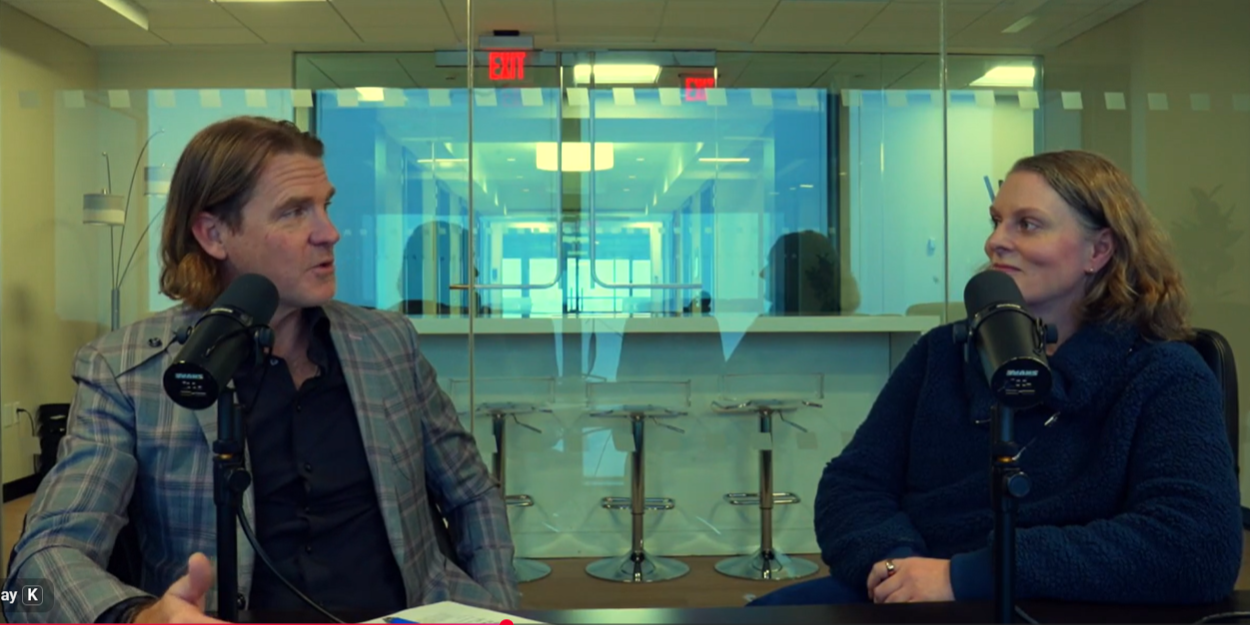
So I decided to sit down with Sarah Barth, our Director of Managed Review here at Proteus and a former litigator, to have an honest, off-the-record-style conversation. What started as a quick chat turned into a deep dive on the tactics, pitfalls, and tech behind effective document review.
Engage Early, Not Desperately
One of the first points Sarah raised is one we see far too often: waiting until the eleventh hour to bring in review support. Counsel becomes consumed by collections and meet-and-confers, and suddenly review becomes a fire drill; legal bodies are thrown at the problem, workflows are rushed, and costs soar.
Her advice at this stage is simple: bring your review partner in early. Not just before you start reviewing, but before you’ve even finalized search terms or RFPs. The earlier you align on strategy, the more defensible and efficient your process will be.
You Don't Need Associates Reviewing Receipts
Here’s the uncomfortable truth: much of what gets reviewed isn’t high-value legal work. Sarah made the point that document review, while critically important, is not where associates should be spending their time. Their focus should be on case strategy, briefs, and depositions, not clicking through irrelevant documents.
Your eDiscovery partner (like Proteus) should have a managed review team made up of licensed attorneys who are based in the U.S., and trained in specialized quality control (QC) that checks for consistency, accuracy, and speed. When you’re guided by a thoughtful workflow and proper protocol, you save money and build a stronger litigation bench.
Smart Tech Isn't Optional Anymore
The other big takeaway from our conversation? Most teams aren’t taking full advantage of the technology at their fingertips. Tools like email threading, near deduplication, concept clustering, and continuous active learning (CAL) can drastically reduce the number of documents that actually need to be reviewed.
Sarah said it best, “Search terms are like tricycles – great for getting started, but you need more horsepower if you want to go the distance.”
We're Giving Our Secrets Away. Seriously.
This wasn’t a scripted webinar or marketing piece. It was a candid conversation between two people who’ve been in the trenches of litigation and want to make the process better for everyone involved – that means litigators, GCs, legal ops teams, and yes, even review attorneys.
If you’ve ever wondered how to cut review costs without cutting corners, this is your blueprint.
🎥 Watch the full conversation here.
We’re giving away the secrets — because it’s time someone did.
